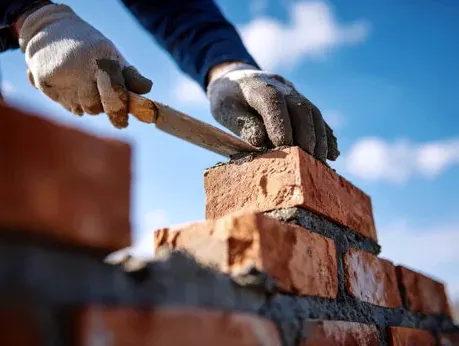
 Structural
Leaning & Settling Chimneys
We measure the lean, find out why it moved, then tie it back, rebuild the top or bring in a foundation partner for the footing.
- Lean and gap assessment
- Wall ties and brackets
- Partial and full rebuilds
Lakewood sits at about 5,500 feet on clay that swells when it's wet and shrinks when it's dry. That combination is tough on chimneys: footings shift, stacks lean, and thin air makes fireplaces draft in ways flatland advice doesn't cover. Head up toward Evergreen and wood stoves do the heavy lifting all winter. We handle all of it from our shop on W 6th Ave, and someone answers the phone around the clock.
See a real-world chat
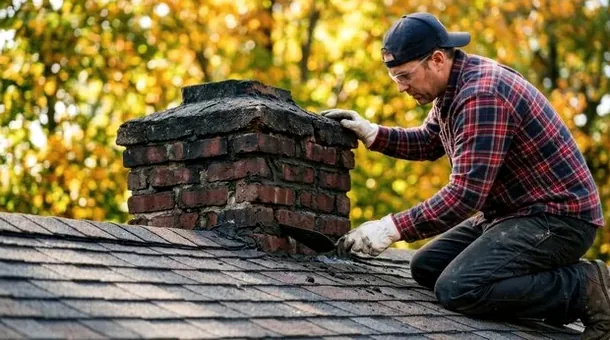
Daylight or caulk pulling apart between the chimney and the siding is the classic sign of a footing on the move.
Mortar cracking in a zigzag down the side of the stack means one corner is dropping faster than the rest.
Inside, the hearth slab dips or separates from the floor, or the mantel no longer sits level.
Downspouts and sprinklers dumping water by the chimney make clay swell, then shrink again by August.
From split-level ranches in Belmar to cabins up Bear Creek Canyon.
StructuralWe measure the lean, find out why it moved, then tie it back, rebuild the top or bring in a foundation partner for the footing.
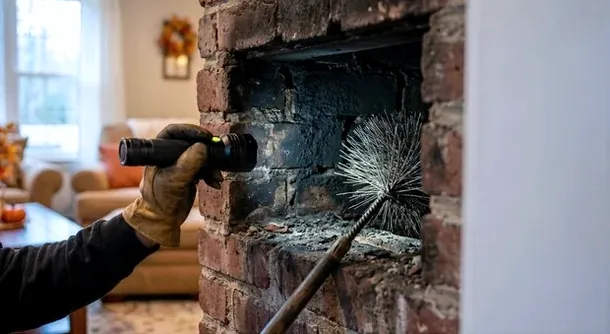 Smoke & draft
Thin air, tall basements and tight new windows all change how a fireplace pulls. We test it and fix the cause.
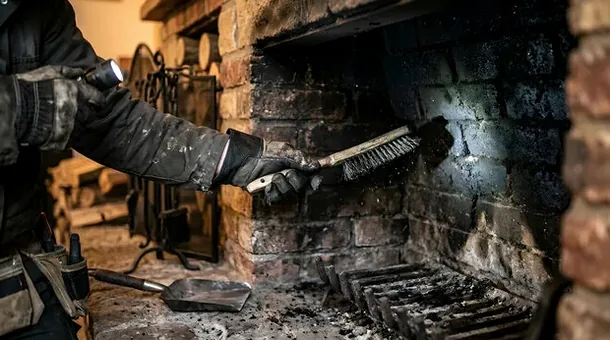 Gas units
Cleaning, pilot and valve repairs, plus checking that the unit is set up for our elevation so it burns cleanly.
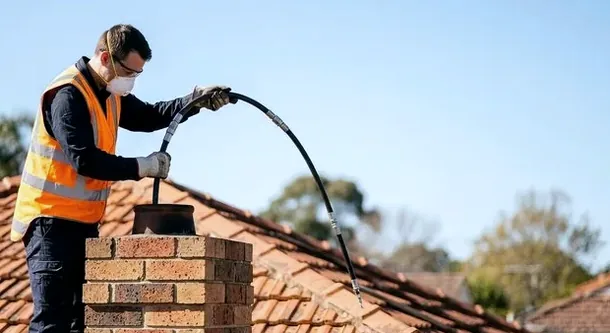 Wood heat
EPA-certified stoves and inserts for foothill homes, installed with insulated stainless liners and proper hearths.
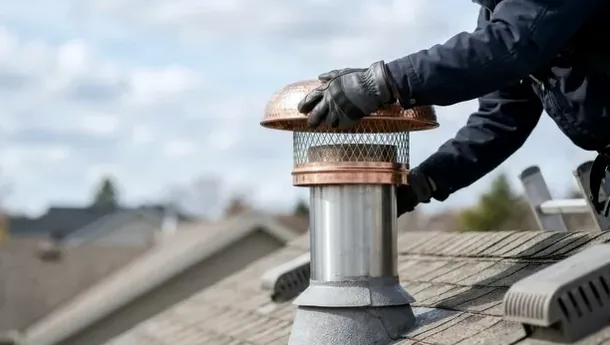 Foothills
Mesh caps that keep embers in and raccoons, birds and snow out, sized for wood stoves and fireplaces alike.
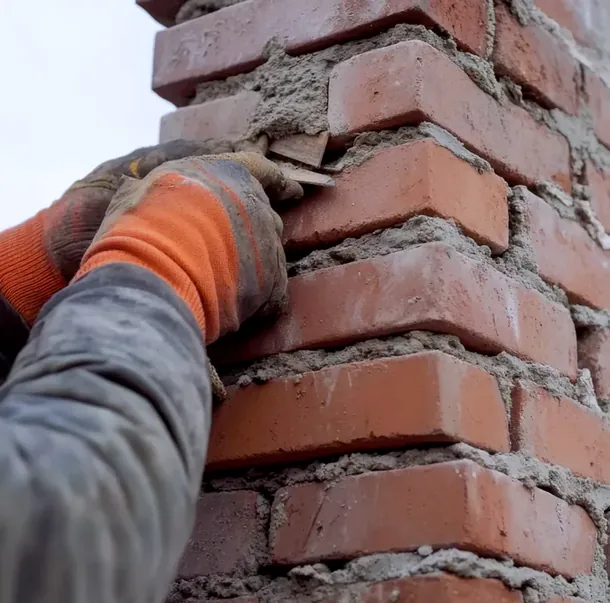 Brick
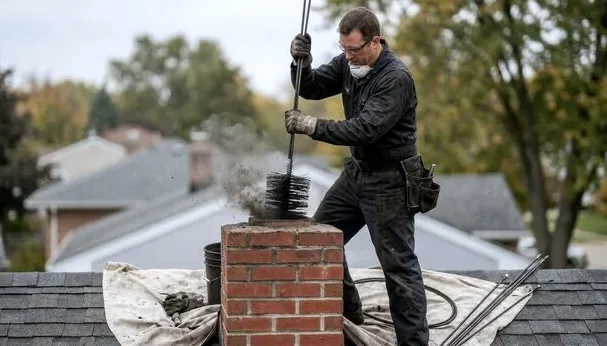
Crown rebuilds, tuckpointing and brick replacement, plus a crew on call for smoke, leaks or damage at any hour.
There's less oxygen and lower air pressure at 5,500 feet. That changes combustion and draft in four practical ways.
Gas appliances usually need to be derated for altitude, or they can burn dirty and soot the glass.
Thinner air means less push behind the draft, so short or oversized flues struggle more.
A cold flue on a frigid night resists draft. Warming it first stops that first puff of smoke.
Incomplete combustion raises CO risk, so a working CO alarm near bedrooms is a must.
We're on W 6th Ave near C-470, so Golden, Green Mountain and the canyon roads are close. Tap a place to see the drive.
Times are estimates from 14818 W 6th Ave. Snow on the canyon roads and 6th Ave traffic can stretch them, so we confirm when you call.
West of the hogback, plenty of homes in Morrison, Indian Hills and Evergreen lean on a wood stove when snow cuts the power or the gas bill climbs.
Stoves running daily from October to April often need a second sweep before spring.
A spark arrestor cap is cheap insurance next to dry pine and scrub oak.
Heavy, wet spring snow can bend thin caps and block the flue opening.
Pre-EPA stoves smoke more and burn more wood. New ones heat better on less.
Yes. The phone is staffed every hour of every day. Smoke pouring into the house, a CO alarm going off, or a chimney that's visibly leaning after a storm all get a fast response. If a CO alarm sounds, get everyone outside and call 911 first.
On the Front Range it's often expansive clay under the chimney footing. As the soil swells and shrinks, the heavy masonry moves on its own schedule. We assess how far it's gone and whether ties, a rebuild or footing work is needed.
Often, yes, if it's caught early. Minor movement can be stabilized and tied back. A badly leaning stack may need the top rebuilt, and footing problems may need a foundation contractor, which we coordinate.
It can. Gas appliances are typically set up differently for high elevations. One that isn't can burn poorly, blacken the glass or produce more carbon monoxide. We check it during service.
A cold, heavy column of air sits in the flue and pushes back. Warming the flue with a rolled newspaper before lighting usually helps. If it keeps happening, the flue may be too short or oversized.
At least once a year, and many daily-use stoves benefit from a second sweep mid-winter. Burning dry, seasoned wood keeps creosote down between sweeps.
Lakewood, Golden, Wheat Ridge, Applewood, Morrison, Indian Hills, Evergreen, Arvada and southwest Denver and Littleton.
From the plains to the first ridgelines.
Lakewood Chimney & Masonry answers 24/7 for leaning chimneys, draft problems, stoves, repairs and emergencies.
(720) 722-5193 Call Lakewood Chimney| Monday | 24 hours |
| Tuesday | 24 hours |
| Wednesday | 24 hours |
| Thursday | 24 hours |
| Friday | 24 hours |
| Saturday | 24 hours |
| Sunday | 24 hours |